
Meta Trial Day 1: Damning Memos, Scientific Doubt
On day one of the states’ trial in Oakland, California’s lead attorney and Meta’s lead attorney prepared the jury to hear opposite interpretations of the same set of facts.

A.I. Disclosure: I use LLM technology to help with research, fact-checking, document summaries, editing, and rewrites. I’m trying to use it responsibly, but I’m learning as I go. You can read my full ethics disclosure here.
An important note before this starts: you’re about to read my summary of opening statements from today — Deputy Attorney General Megan O’Neill’s for the states, and Paul Schmidt’s for Meta — in the trial that could literally rewrite the rules for social media. But remember that nothing of what I’m about to share is evidence. Both are each side’s advocacy, laid out for the jury. As Schmidt put it to them: “Wait until you hear all the evidence.”
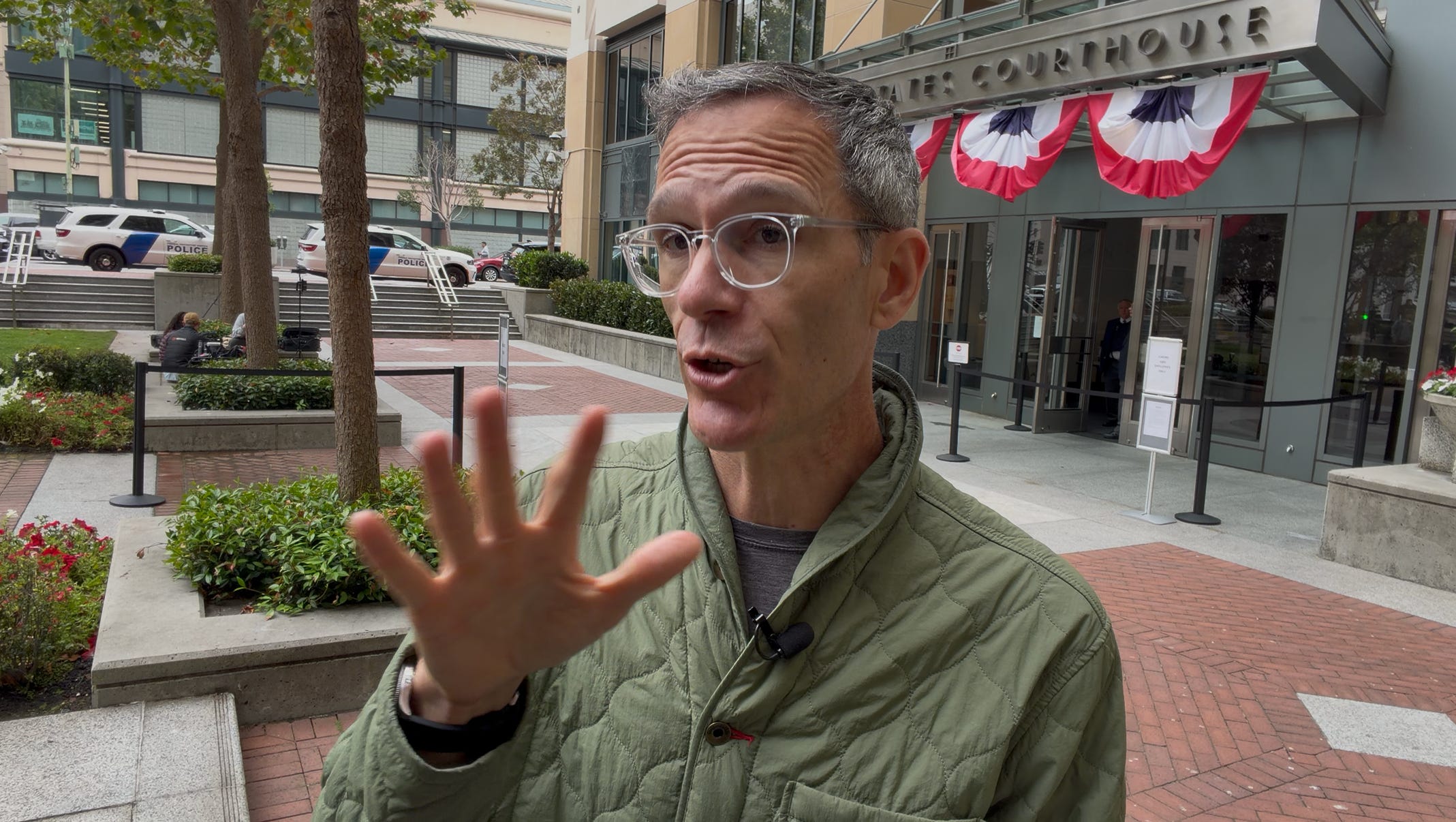
I’m in the federal courthouse in Oakland right now, watching O’Neill walk the jury through what she says will be a mountain of data and evidence — most of it from inside Meta itself.
O’Neill said that an economist will reveal that between 2012 and 2024, in just four states, kids under 13 opened 4.6 million Instagram accounts and 9 million Facebook accounts. There were 46 million separate instances when a kid that young spent at least two hours on one of these apps, she said
.That scale was the plan, according to O’Neill. A 2016 internal presentation setting Meta’s 2017 goals: “Increase U.S. Teen Time Spent.” But that was 10 years ago, you might be thinking. Well, O’Neill points to a 2022 planning document, looking ahead to 2023 through 2026: the Instagram goal was to “increase minutes spent” for daily active users.
The Case Against Meta

A.I. Disclosure: I use LLM technology to help with research, fact-checking, document summaries, editing, and rewrites. I’m trying to use it responsibly, but I’m learning as I go. You can read my full ethics disclosure here.
Then the surveys. A 2019 internal study found that one in five teens said Instagram makes them feel worse about themselves, according to O’Neill. A private 2021 survey — the Bad Experiences Framework Survey — asked 13-to-15-year-olds whether they’d had negative experiences on Instagram in the last seven days: 27% said they’d witnessed something bad, 21% reported negative feelings, 19% had seen nudity, almost 13% had seen violence, 13% had been the target of unwanted sexual advances, 10% had been bullied, and 8.4% had seen images of self-harm. The numbers came back similar for 16-and-17-year-olds, she said.
But at the same time Meta was running that survey privately, it was publishing “Community Standards Enforcement Reports” that told a wildly different story: 0.06% for bullying and harassment, 0.02% for violent and graphic content, 0.05% for suicide and self-injury. O’Neill’s argument: those public numbers don’t measure the true extent of harm — they reflect Meta’s enforcement, not what kids said was actually happening to them
.
A whistleblower is expected to testify that Meta’s own researchers were forbidden from sharing what they found internally. Why? O’Neill says it’s because Meta wanted plausible deniability.
Meanwhile, in public: Mark Zuckerberg, asked directly whether he believes his platforms harm children, answered, “I don’t believe so.” Instagram head Adam Mosseri: “The effects on teen mental health seem to be quite small.” Global head of safety Antigone Davis: “I disagree that our product is addictive.”
In private, Meta’s own people were saying something else. A 2017 memo describes features “designed to play on insecurity, and increase time spent” — features that “take away from those that promote well-being.” Another internal line: “Our product exploits weakness in human psychology.” One employee, in a message surfaced in discovery: “Oh my gosh, y’all, Instagram is a drug…we’re basically butchers.”
Then there’s what Meta called its safety tools. Daily Limit and Take a Break were pitched as ways to help kids manage their own use. O’Neill’s numbers: only 0.05% of teens meaningfully adopted Daily Limit. Only 0.2% actually used Take a Break. Her framing: too little, because the tools don’t work and are hidden behind layers by design. Too late, because kids have been on Meta’s platforms for over a decade, and these tools weren’t. Teen accounts, specifically, didn’t come about until after the states filed this very lawsuit.
The clearest example she gave was about filters — specifically the kind that alter a person’s face: bigger eyes, fuller lips, the look of cosmetic surgery. Meta banned them at one point over well-being concerns. Margaret Stewart, head of product design, is expected to testify by recording that experts warned the filters posed real cause for concern and recommended keeping the ban permanent. That recommendation went up to leadership, including Zuckerberg, who was shown both the risk and the projected “negative growth impact” of losing the filters. He let them back on the app. O’Neill’s point: this was a pattern. Staff would recommend protecting kids, leadership would weigh it against growth, and leadership would decide not to do what their own staff recommended.
The enforcement gaps ran the same way, she said. New users’ ages for years defaulted to 25. When Meta identified a linked account belonging to a kid and deleted it, the linked account tied to it wasn’t necessarily deleted as well. A document Antigone Davis’s own team put together in 2020 found Meta hadn’t allocated the resources to remove kids under 13, and had a backlog of 700,000 reports of under-13 accounts it hadn’t acted on — a backlog O’Neill says existed because Meta had deprioritized enforcement due to concerns about liability. It pulled back because it was worried about what it might find.
The line O’Neill landed on was from what she said was Davis’s own email to her team: “We do very little to keep teens off our platform.”
Here’s how Meta came back.
